

Rodent pressure rising on egg producers as regulation and resistance concerns grow
Published on : 29 Jan 2026
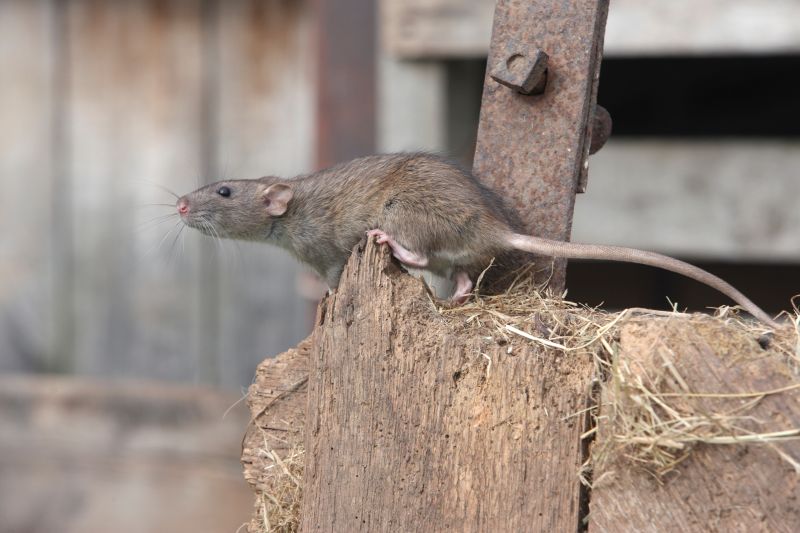 Rodent activity continues to be a persistent and growing challenge for UK egg producers, with new rules on rodenticide use and increasing concerns around resistance adding further pressure to already complex farm management decisions.A recent survey of UK farmers highlights that rodents are now affecting almost every farm business, with many producers dealing with more than one species at the same time. For egg producers, where feed security, bird health and biosecurity are critical, the findings underline the importance of robust and well-planned rodent management.Rodents are a near-universal issueThe vast majority of farmers surveyed reported ongoing problems with rats and mice, and more than 60 percent said both species were present on their farms simultaneously. Mixed farming systems were particularly affected, but the findings will resonate strongly with egg producers, where warm housing, feed availability and shelter provide ideal conditions for rodents year-round.These pressures reinforce the need for continuous, integrated pest management rather than reactive treatment once populations are established.Control is becoming more difficultMore than half of respondents said rodent control has become harder over the past year. Contributing factors include rising rodent numbers, wetter and milder weather patterns, and growing uncertainty around regulation and compliance.Concerns around suspected resistance were also prominent, with many farmers reporting reduced confidence in control programmes that previously worked well. Slower or incomplete control not only increases costs and labour demands, but also heightens the risk of contamination, disease transfer and damage to buildings and equipment on egg units.While professional pest control support is widely used, many farmers still manage rodent control in-house. This places a greater responsibility on producers to stay informed on best practice, training requirements and regulatory changes.Integrated approaches widely usedMost egg producers continue to rely on a combination of measures to manage rodent pressure, including monitoring, proofing, trapping and environmental management alongside chemical control where appropriate. However, awareness of the changes that came into force in January 2026 remains low, despite high levels of concern about compliance.This disconnect suggests that many farms have yet to fully adapt their strategies, potentially leaving them exposed to increased rodent pressure or regulatory risk.Resistance concerns risingMore than 60 percent of farmers surveyed said they were worried about rodenticide resistance, with a significant proportion suspecting it may already be present on their farms. Using inappropriate control measures in areas where resistance exists can allow populations to survive and expand, making long-term control more difficult.Careful planning, regular monitoring and informed decision-making are therefore becoming increasingly important in maintaining effective control while limiting unnecessary use.Regulation adds further uncertaintyNearly 70 percent of respondents said they were concerned or unsure about meeting the 2026 rule changes, citing worries around access to effective control options, additional paperwork and the practicalities of staying compliant. Despite this, almost half of farmers admitted they had not yet changed their approach, instead taking a wait-and-see stance.Laurence Barnard, P&SS Country Business Manager at BASF, said:“Farmers are dealing with a perfect storm of rising rodent pressure, resistance concerns and regulatory change. The survey shows farmers want practical guidance on how to maintain effective control while staying compliant. A planned, integrated approach that combines monitoring, proofing and informed use of control measures is essential to protect birds, feed and infrastructure, without adding unnecessary disruption to day-to-day farming.”He added that training and professional support can play an important role for producers struggling to keep pace with the changes, helping reduce risk and allowing farmers to focus on bird welfare and performance.The survey also highlighted a clear appetite among farmers for clearer guidance and support around best practice, particularly as regulatory expectations continue to evolve.