

Pullet sector facing crisis as rearers warn prices must rise
Published on : 19 May 2026
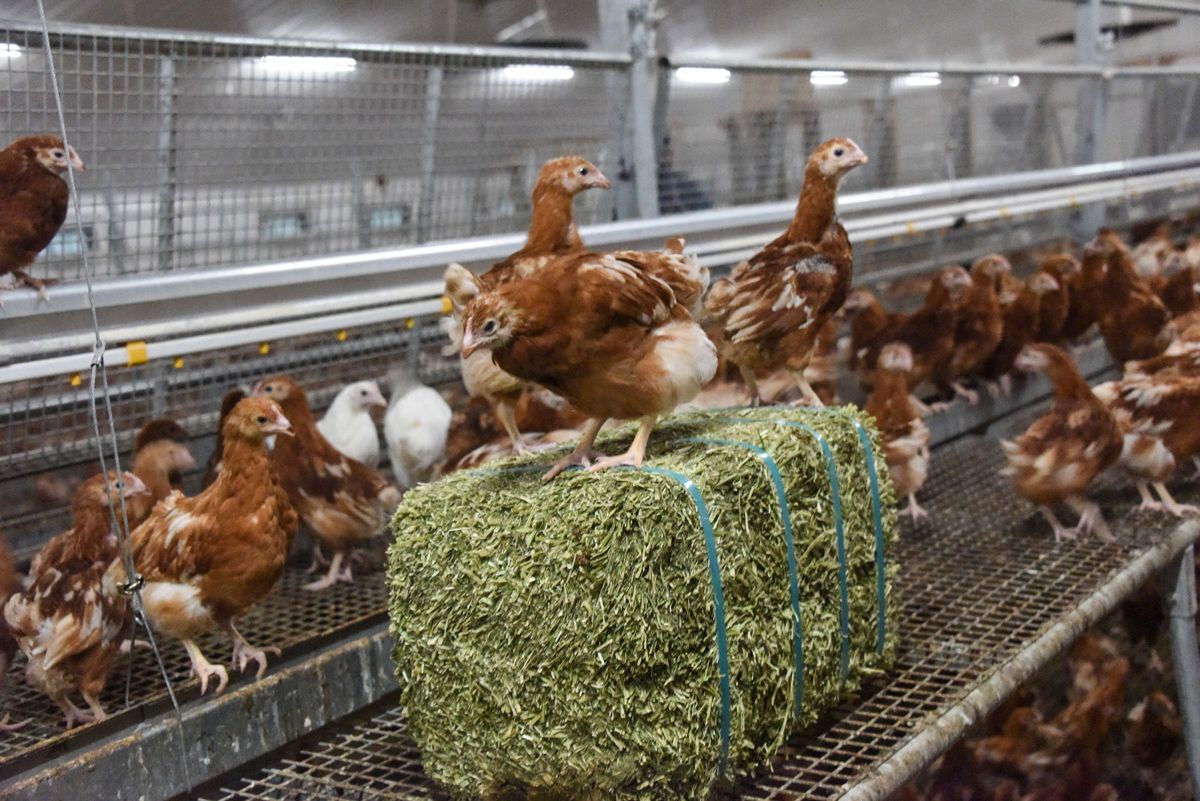
Industry figures warn tightening pullet supplies could place further pressure on British egg production
The pressure facing pullet rearers and hatcheries is becoming increasingly difficult to ignore. While egg prices have improved significantly over the past 12 months, allowing many producers to return to more sustainable trading conditions, the same recovery has not filtered back through the supply chain.Industry discussions are now suggesting pullet prices could rise towards £6.50 per bird as chick prices alone are expected to increase by around 30p. Yet, in this month’s Ranger costings, pullets remain listed at £5.74, unchanged from the previous edition, with standard vaccination costs adding a further 24p to give a total pullet cost of approximately £6.00 per bird.One pullet rearer, who wished to remain anonymous, said it was now “inevitable” that pullet prices would have to increase, adding that if chick prices rise by the expected 30p, then the base pullet price — before any additional vaccinations — would need to increase to around £6.50 per bird.However, rearers say the issue is no longer simply about rising production costs. Increasingly, it has become a question of market forces and opportunity cost. Breeder companies are able to place birds into alternative systems, including barn production, where stronger returns are currently available. Some warn that by failing to improve returns for breeder flocks and pullet production, the industry is effectively encouraging further movement away from free range pullet supply.One rearer said switching into broiler production was becoming an increasingly realistic option if returns continue to lag behind other sectors. If more rearers follow the same route, further rearing capacity could be lost from the sector, placing even greater pressure on already limited pullet availability.The comments come at a time when pullet availability remains extremely tight, with producers reporting they are unable to secure birds until late 2027 and in some cases into 2028. Despite the shortage, rearers say pricing has failed to respond in the way normally expected under such supply conditions.One hatchery source said they had already recently lost four breeder flocks from the system and warned that the current situation was “no longer sustainable” if breeder and rearing capacity continued absorbing pressure without meaningful market correction.The problem is also becoming increasingly complicated because of the large volume of forward bookings already placed by producers. Many rearers are now warning that existing orders booked into 2026, 2027 and even 2028 may ultimately require additional surcharges if market conditions continue to tighten further.Some within the sector are comparing the situation to fuel surcharges previously introduced in haulage and logistics during periods of exceptional volatility. Similar adjustment mechanisms have also been seen in feed, fertiliser and wider agricultural supply contracts where long term forward pricing no longer reflects current market conditions.Rearers warn that unless prices are adjusted to reflect changing market conditions, similar surcharge mechanisms may become unavoidable even on birds already committed under forward agreements. While some acknowledge that a 50p per bird surcharge is unlikely to make pullets unaffordable given current egg returns, they warn it should serve as a reminder that producers cannot necessarily relax simply because birds have already been forward booked at current prices.The BFREPA costings show that a 50p per bird surcharge on a 32,000 bird unit would add approximately £16,000 to the cost of a flock, highlighting the potential financial impact any future pullet price adjustments could have on producers with forward booked orders.With pullet availability already stretching into late 2027 and 2028, and breeder flocks already beginning to leave the system, questions are now being raised over whether pricing signals reached breeder and rearing sectors too late to encourage continued investment and expansion. Hatcheries and rearers argue that stronger returns throughout the supply chain will now be needed if long term pullet availability is to improve.