
Organic derogation buys breathing space
Published on : 6 Aug 2026
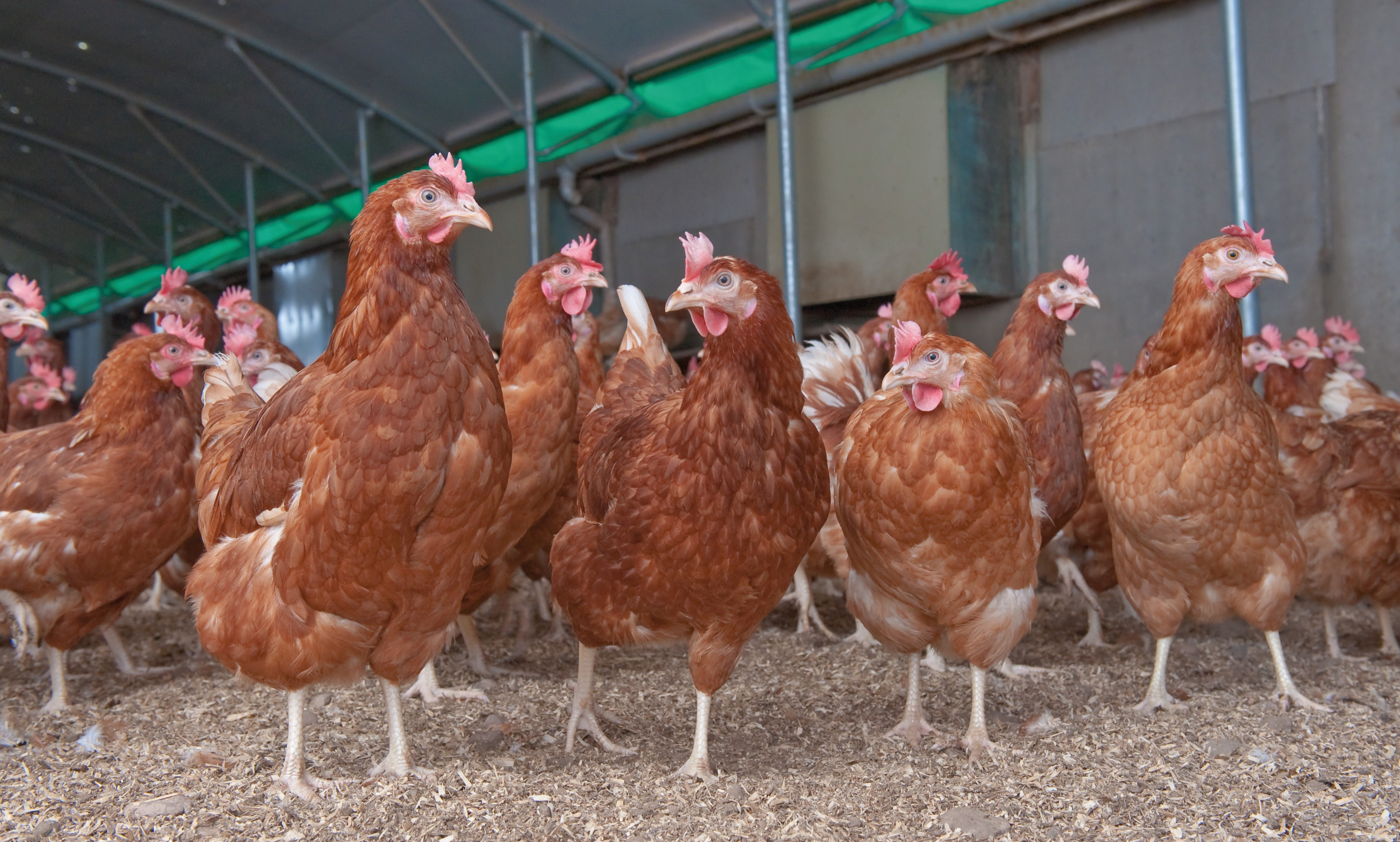
The announcements remove the most immediate regulatory cliff-edges facing the organic egg sector...
Defra has confirmed it will extend two key organic derogations that were due to expire in Great Britain on 31 December 2026, giving organic egg producers certainty into next year while UK–EU negotiations continue.The derogations - which allow up to 5% non-organic protein feed for poultry under 30 weeks of age, and the use of non-organically reared pullets up to 18 weeks in organic egg production - will now run until at least 1 June 2027. Defra says it will continue to engage with the sector and confirm a definitive end date in due course.Gary Ford, Head of Strategy and Producer Engagement, BFREPA said “We welcome the clarity from Defra, which buys organic producers some early breathing space - even though there is not yet a clear resolution.”Alongside the derogations, Defra has been reviewing the waiver on Certificates of Inspection (COIs) for organic products imported from the EU, EEA and Switzerland, which was due to expire on 1 February 2027. That waiver will now be extended until the UK–EU Sanitary and Phytosanitary (SPS) agreement enters into force, with the department saying it is committed to minimising disruption to businesses and supply chains.Taken together, the announcements remove the most immediate regulatory cliff-edges facing the organic egg sector - but they are an extension of the status quo, not a settlement, and the harder questions about how UK organic rules will look after alignment with the EU remain open.What the derogations doThe two derogations have quietly underpinned organic egg production in Great Britain for years. The first permits rations for young birds - poultry under 30 weeks of age - to include up to 5% non-organic protein feed. Protein is the hardest part of an organic diet to source: organic soya and other high-protein raw materials are scarce, expensive and all soya is imported, and formulating a balanced 100% organic ration for growing birds is nutritionally demanding. The 5% allowance has given feed compounders the flexibility to keep diets balanced and birds healthy through the critical rearing period and into early lay. This is a particularly stressful period for the birds as not only are they transferred to the layer farm but they are still growing and developing. The 5% derogation for older poultry (30 weeks and above) was removed at the end of December 2025 although a transition period was allowed into early April.The second derogation allows non-organically reared pullets, up to 18 weeks of age, to be transferred onto organic layer farms. In practice this means most organic laying flocks in the UK begin life on conventional rearing sites, converting to organic management when they arrive on the laying farm. Without the derogation, every organic layer would need to be reared organically from day one - and the dedicated organic rearing capacity to do that at national scale simply does not exist today.Why the sector was waitingBoth derogations were due to lapse on 31 December 2026, and the consequences of expiry were immediate and practical rather than theoretical. Although nearly five months away this was weighing heavily on the sector creating uncertainty and impacting confidence and presented the industry with a ‘cliff-edge’ that has now been avoided.On feed, producers would have been required to move young birds onto 100% organic protein rations from 1 January 2027, at a time when organic protein sources remain tight and costly. Early experience among flocks already trialling 100% organic feed has raised concerns about reduced intake, dusty or variable feed quality, enteritis and feather loss - although this summer's prolonged hot weather has depressed intake and increased health problems on its own account, making it difficult to separate the effect of the diet from the effect of the heat. The sensible course is continued monitoring through cooler conditions with proper veterinary and nutritional input, and the extension buys the time to do exactly that.On pullets, the cliff-edge was even starker. Building dedicated organic rearing capacity takes time, capital and - in many cases - planning permission. Poultry planning applications routinely face local opposition and nutrient-pollution scrutiny, and can take years to determine even when they succeed. Rearing businesses are also reluctant to commit sites exclusively to organic production if they cannot alternate between organic and conventional cycles, because a dedicated organic unit that cannot fill every pullet rearing shed crop may be commercially unviable. Had the derogation lapsed in December, organic egg producers would have faced a shortage of compliant birds with no realistic route to bridging the gap at short notice.Uncertainty over the end date was having a negative effect well beyond the farm gate. Feed contracts, pullet orders, housing investment and refurbishment decisions all run on horizons longer than the derogations themselves, so producers, rearers and packers were being asked to make commitments into 2027 without knowing which rulebook they would be operating under. The extension does not answer that question, but it moves the deadline far enough out for planning to restart.The bigger picture: SPS alignmentHanging over the whole discussion is the UK–EU SPS negotiation. The Government's stated destination is full alignment with EU organic rules; the live questions are how long the transition period will be and how the rules will be interpreted in practice. For organic egg production, those interpretation questions are far from trivial.EU requirements differ from current UK practice in several areas that go to the heart of how organic laying systems are designed and run. The EU standard provides for 18cm of perch per organic hen, against 15cm in free range, and how raised slatted areas are counted towards that requirement will make a material difference to whether existing housing complies. Limits on the number of levels in multi-tier systems, minimum slat-to-litter ratios, maximum flock sizes for pullet rearing, requirements around outdoor access during rear, and the sourcing of "local" feed all raise similar questions of interpretation - and in each case, how strictly the UK chooses to read the rule matters as much as the rule itself.Industry's consistent message to Defra has been to avoid gold-plating: where EU member states have found workable, welfare-positive interpretations of the same requirements, the UK should match them rather than impose stricter readings that force compliant, high-welfare systems into unnecessary and costly modification. There is also a welfare argument here, not just a commercial one - poorly positioned additional perching, for example, is associated with collisions, keel-bone damage and poorer feather cover, so physical compliance and good welfare outcomes are not automatically the same thing.What happens nextAttention now turns to the terms of transition. Defra has asked the industry for a practical, evidence-based picture of what different transition periods would mean: what becomes feasible with a long lead time versus what fails under a short one, the capital requirements and replacement cycles for housing and equipment, realistic planning timescales, and the knock-on consequences for producer viability, domestic supply and the wider supply chain - including the many downstream products, from cakes to pasta and sauces, that depend on British organic egg ingredients. A focused stakeholder session bringing Defra together with producers is expected shortly.The risk the sector will want to guard against is complacency. A derogation extended to June 2027 can feel like a problem solved; it is better understood as a window in which to make the case for workable rules and a realistic timetable. If that window is used well - with quantified evidence rather than anecdote - there is a genuine opportunity to shape an alignment settlement that keeps British organic egg production viable, high-welfare and competitive.For now, though, the message to producers is a straightforward one: the December cliff-edge has gone, current arrangements continue, and the sector has bought itself time to make its case.