

How war in the Middle East could effect the egg industry
Published on : 23 Mar 2026
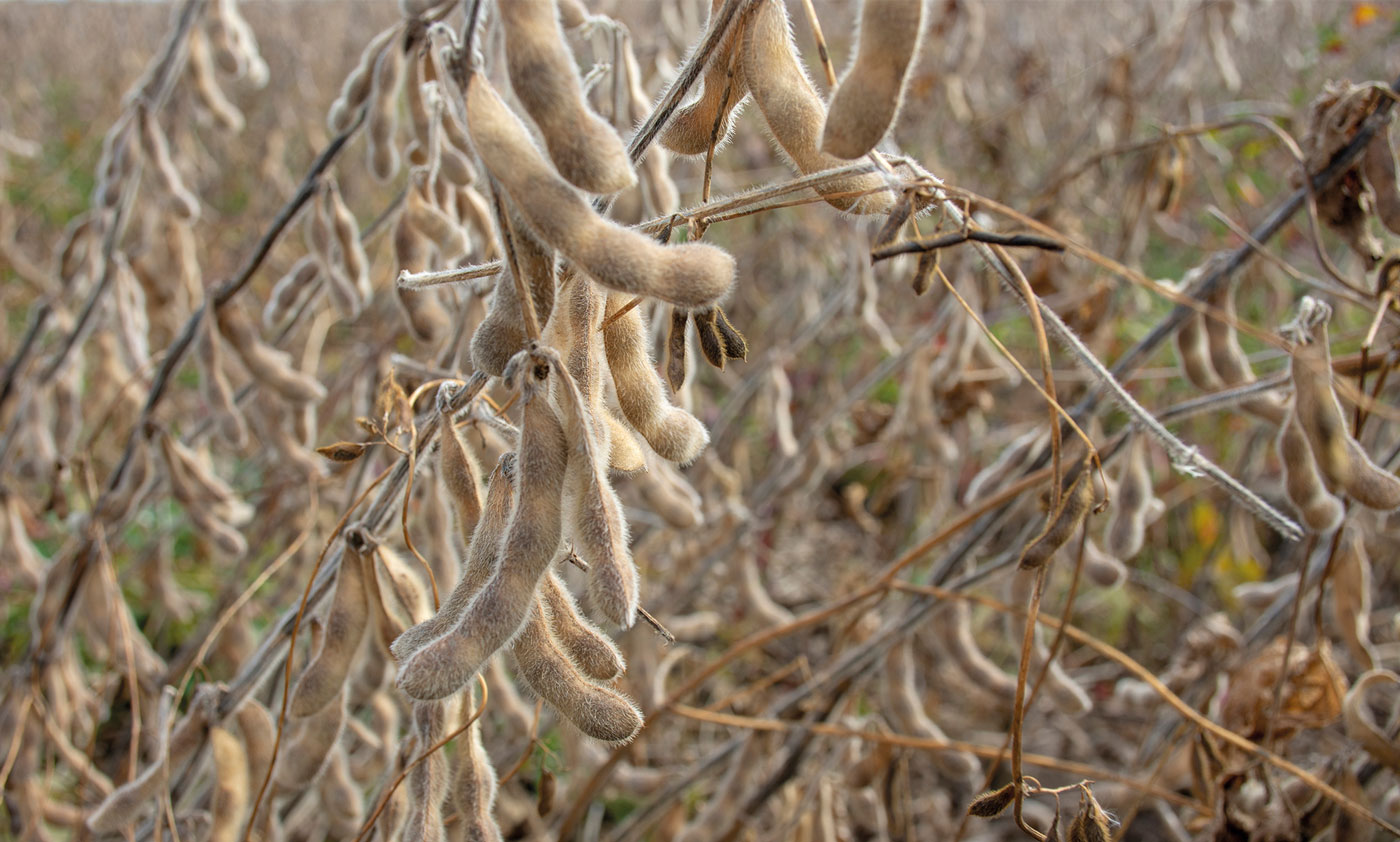
Lagging behind the crude market, soybean prices rise dragging with it the price for rapeseed oil
Since the United States and Israel launched their attacks on Tehran and other Iranian targets on 28th February, killing the country’s supreme leader Ayatollah Ali Khamenei and dozens of senior figures in the Islamic Revolutionary Guard Corps (IRGC), the fighting has escalated and spread, killing thousands in Iran and hundreds outside her borders and across the Gulf.Initial calls for Iranian citizens to rise up and depose the Islamic Republic regime have quietened. One Khamenei has been replaced with another. As the American and Israeli forces continue to target strategic sites linked to Iran’s nuclear capabilities and oil refineries, Iran has responded with attacks on US and Israel allies, including non-military targets.Focus surrounds the Strait of Hormuz, a narrow passage between Iran to the north and Oman to the south through which would ordinarily flow around 20 million barrels of oil each day from the Gulf and out into the Arabian sea. It carries about a quarter of global supply. The world’s busiest oil shipping channel is effectively closed. There is no physical barrier, but the threats of attack by Iran and the lack of insurance render the ships inside the 20 mile-wide bottle neck trapped. The oil price has subsequently rocketed from around $70 per barrel to over $100 with peaks in day trading towards $120. Oil analysts say prices could rise to $150 if the disruption persists. Iran claim it will hit $200. But what could the conflict mean for the egg industry?Impact on agricultureIt isn’t just oil. Liquified Natural Gas (LNG) and refined oil products have also leapt in value, and the effects of this filter into fuels, electricity and industrial costs. The Middle East is a global hub for fertilisers as well as trade and logistics. Close to a third of global urea exports originate in the Gulf, along with almost half of sulphur, 20% of ammonia and 15% of phosphate exports. Overall more than a quarter of global nitrogen fertiliser flows through the Strait. Just like oil prices, fertiliser raw materials are rising fast.Price shocks in fertiliser have a significant bearing on yield and on planting, effecting not just near- but also medium-term markets. If fertiliser constitutes roughly half of the variable cost of producing grain, even a 30% increase in its value is enough to obliterate farm margins and materially shape global production. On a positive note, if synthetic fertilisers do increase in price, perhaps chicken manure will also enjoy an uptick in perceived value?For egg producers, these pressures rarely sit in isolation. Feed, energy, pullet rearing, transport and packaging are all exposed to the same inflationary forces, meaning cost increases tend to stack rather than offset.At the same time, farming leaders are warning that confidence across UK agriculture is already fragile, with volatile costs, policy uncertainty and environmental pressures weighing heavily on investment decisions. NFU president Tom Bradshaw has repeatedly highlighted that farm businesses are operating on tight margins and need stability to maintain food production, warning that food security is increasingly being tested by global shocks.At the time of writing (17th March), grain markets have edged up by only £3–£5/t since the outbreak of war, with high global supplies and 5-year high global wheat stocks keeping a lid on inflation. In oilseed prices such as rape and soy, the crude oil market plays a stronger hand. With high crude oil prices comes higher demand for biofuels, using soya oil. Lagging behind the crude market, soybean prices rise dragging with it the price for rapeseed oil.Feed markets are already beginning to reflect that shift. One feed specialist reports that while overall compound feed has risen by around £10.70/t over the past month, the biggest movement has come from soya, increasing from £300/t ex-docks to £330/t. At typical layer inclusion rates of around 15%, that alone adds approximately £4.50/t to feed costs, with vegetable oils also rising by more than £100/t. Markets have since softened slightly on the back of tentative diplomatic signals, underlining just how volatile and sentiment-driven current pricing remains. Against sharply rising fertiliser and energy costs, that imbalance risks further squeezing arable margins and pushing additional cost into compound feed prices for egg producers.Impact on the intermediariesThe cost of logistics in any form will rise. Shipping costs, which influences the price of everything from feed raw materials to paper and plastic packaging, are at record levels. It isn’t just oil tankers that are in rich demand, but container ships as well. As well as the fuel costs to power the ships, risk premiums to insure vessels have skyrocketed, and rerouting of passages to markets creates delays to goods and chaos in the ports.For producers, these are not abstract costs. Every movement of feed, every pallet of eggs and every tonne of packaging carries a higher price.Packaging manufacturing is a highly energy intensive operation, with factories close to absolute capacity in order to rinse every drop of efficiency. Markets are sensitive to finely balanced supply and demand profiles. Goods destined for the Middle East that are deferred or cancelled could create a surplus that undermines the manufacturers attempts to recover their cost inflation in stable markets. Supply of egg cartons, for example, is notoriously challenging. There are very few suppliers, each demanding ever longer lead times and with decreasing flexibility.Cost of living crisis, part 2?Prices at the pumps rose almost immediately. Just how far they’ll climb and for how long will depend on the duration of the war. Will Israel and America’s ambitions continue to be aligned? Israel want regime change. Beyond removing the risk of Iran developing nuclear weapons the strategic ambition of America appears to be a moving target, but the electorate know that they do not want an ‘endless war’. If Israel continues to exert such influence on the US, that might be exactly what their President has started.If that’s the case, we can expect a malaise in consumer confidence, shaping shopping and spending habits for the foreseeable future. Commodity market commentator S&P Global says it’s already here. They conduct a monthly consumer confidence survey, with their latest conducted between 5th and 9th March. “Households were the most downbeat about their financial prospects since December 2023,” their report said.Higher borrowing costsWord leaked that the Bank of England favoured delaying an expected cut in interest rates, and mortgage lenders have responded rapidly with a sharp reversal of the falling rates seen over the past year. The average borrowing rate has increased by 0.45% since the initial airstrikes, adding £60 a month to the cost of a typical mortgage. It will be the same for commercial borrowers looking to refinance. Borrowing £1 million to help finance that new unit? Expect to pay £3000 more each year in interest.Shopping habits have changed considerably since Putin’s war in Ukraine drove inflation food and other regular household staples. In many markets, egg and poultry meat demand has soared on the back of the need for families to make the grocery budget stack up, pegged back only by a lack of availability.With the UK flock at record capacity with over 49m spaces, availability has ceased to be a handbrake on consumption. Yes, there are and always have been imported eggs to bridge any shortfall, but there are only so many outlets for eggs produced abroad given the omnipotence of the Lion in supermarket trade. And the continued recovery of the UK flock, despite considerable losses to HPAI, has translated into markedly increased consumption. For over a decade, per capita consumption has stagnated around 195 eggs each year. In 2025, the BEIC estimate stands at 209. The largest year on year improvement on record. Eggs do well in a crisis. If war persists, homeowners may feel the pinch in the heating bill, or on the driveway, but they’re likely to eat more eggs.The other side of the same coinWhen consumers are squeezed, retailers get the knives out. With each other, and with their suppliers. The egg industry needs to beware.Governments apply pressure to businesses, trying to at least be seen to protect the innocent public against exploitative price gouging; excessive spikes in pricing charged by unscrupulous traders who point to the effects of world events. Retailers take the opportunity to lean on suppliers, positioning themselves as performing a moral duty. Weaker suppliers bend and a knock-on effect throughout the market may follow. If there’s a drop of blood in the water, the supermarket buyers will pick up the scent.Food service struggleThe sector as a whole is already on its knees. Restaurants have struggled to recover from the initial Covid shutdowns with a lack of labour and inflation in every line in the P&L. Pubs and restaurants face the unenviable choice of charging more, opening for fewer hours, reducing menus or portions or quality. Or all of the above. Consumers respond by reducing the frequency of their visits, the size of their party or their appetites when they arrive. Or all of the above. The bottom line is that, on the whole, more meal occasions move from ‘out of the home’ to the supermarket shelf.Medium term outlookThe Gulf is an important market for Europe and for the UK. According to the latest report by Rabobank. the region accounts for “15% of global poultry trade and 10% of global production growth, driven by population growth, rising consumption and food security programs.” Many countries across the region remain very reliant on imports. With the markets ostensibly closed, either due to the effective blockade through the Strait of Hormuz or the reduced airfreight capacity, it’s possible that this supply will seek new markets and a safe haven. Just as Ukrainian eggs have established trade routes into London, Birmingham and other wholesale markets, don’t be surprised if competition from unexpected places arise, displaced from previous markets.Ultimately, the impact of disruption and inflation will be felt throughout the entire chain, with volatility likely to hit margins in every business and household. Alongside global instability, the UK farming sector is already contending with low confidence, policy pressure and ongoing cost volatility, all of which will influence how resilient producers can be to further shocks. How severe and how prolonged the economic impact will be determined by whether it is the American or Israeli strategy driving the agenda, how quickly safe passage through Hormuz returns and how significant the damage to the regions oil industry infrastructure in the process. The threat of retaliation against US allies, meanwhile, will last a lifetime, with implications not just for energy markets but for long-term food security planning.